
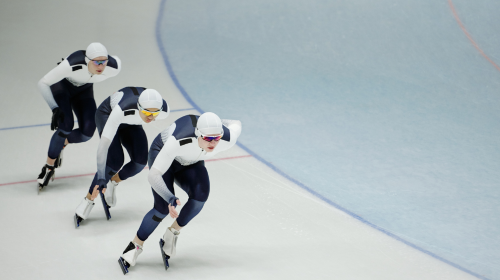
To be the best, athletes follow intense physical training schedules while still making time for mental health coaching or therapy, quality sleep, massage and/or physical therapy, and recovery periods. Remember the taping and cupping trends? Kerry Walsh smashed the volleyball with a taped right shoulder before we saw Michael Phelps conquer the pool while covered in red cupping circles. What techniques are 2026 winter olympians using to improve their recovery between events? Here are three common techniques:
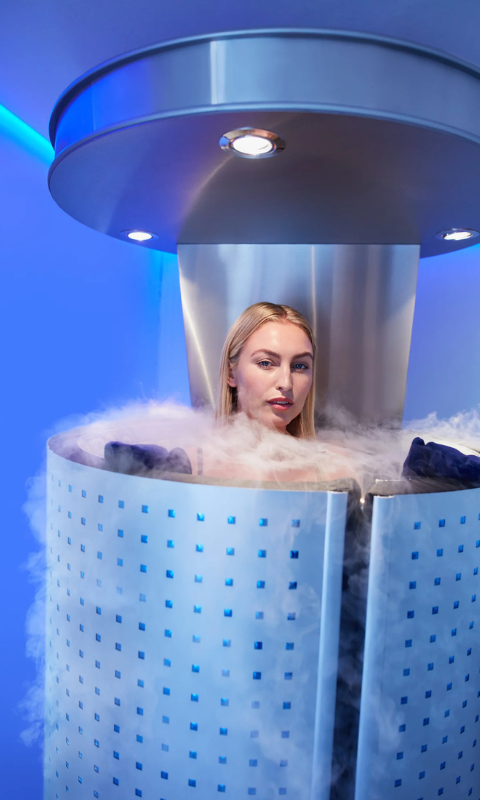
Whole-Body Cryotherapy
Exposing the body to extremely cold temperatures to reduce inflammation and muscle soreness.
How does it work?
During a cryotherapy session, the body is exposed to extremely cold temperatures, typically between -100°C to -140°C for a short duration (usually 2-4 minutes). Exposure to extreme cold can reduce inflammation in the body. Blood vessels will constrict (vasoconstriction), removing excess fluids and waste products from skeletal muscles. After exposure, your body rewarms and blood vessels expand (vasodilation). This fresh circulation sends oxygen and nutrient-rich blood back to the hard-working skeletal muscles to accelerate healing and recovery. Cryotherapy can also desensitize nerve endings, which helps to alleviate pain and muscle soreness.
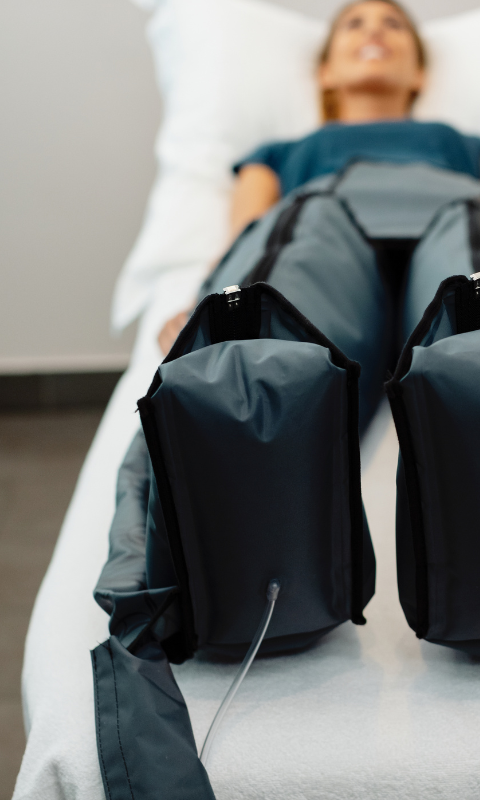
Pneumatic Compression Devices
Applying intermittent pressure to different parts of the body, usually the legs, through inflatable sleeves.
How does it work?
Sleeves have multiple chambers that can be sequentially inflated and deflated by an air pump. Different patterns facilitate muscular contractions or massage. When the pump inflates the garment, starting from the farthest point of the limb and progressing towards the heart. This “external muscle pump” creates wave-like pressure that moves fluid out of the arm or leg. This will facilitate muscle recovery as metabolic waste products are more quickly circulated out of the limb. Athletes find it helpful to improve circulation and decrease next-day soreness
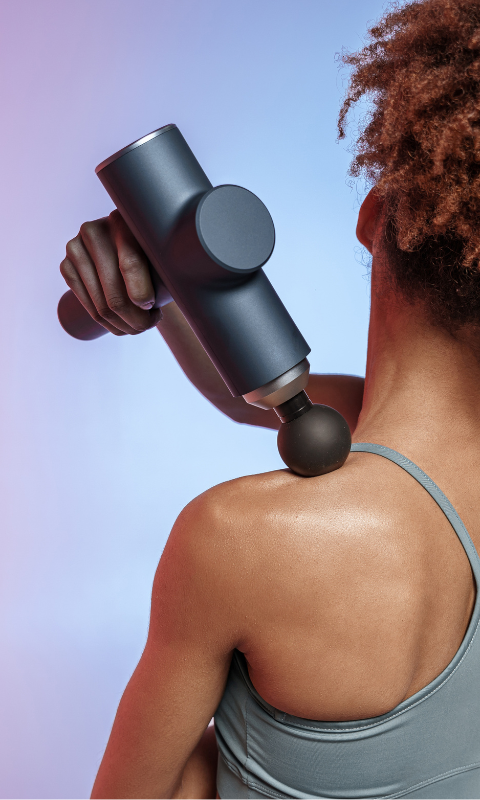
Percussion Therapy or Massage Gun
A manual sports massage technique with rhythmic striking or a handheld massage gun delivering 20–60 pulses per second
How does it work?
Percussion can override pain signals at the spinal cord level, The nervous system prioritizes vibration input and pain signals are reduced. Athletes report improved movement within minutes of use. Additionally, when a joint is repeatedly stressed, the nervous system often increases tone in surrounding muscles to protect the joints, as a guarding mechanism. High-frequency percussion to the muscles and fascia stimulate receptors in the nervous system to turn down this tone, helping athletes be more mobile.
Percussion also creates a pumping effect within muscle tissue that improves local circulation. PTs, massage therapists, and trainers can do this manually or athletes can self treat with a massage gun.